- Get link
- X
- Other Apps

Bitcoin failed a big test this week when its price fell right alongside regular stocks. Many people expected the digital coin to hold its value while traditional markets dropped, but that did not happen. If you want to know what is Bitcoin in simple words, this recent price swing shows exactly how it works in the real world.
At its heart, Bitcoin is digital money that you can send to anyone over the internet without using a bank. It relies on a shared computer network to keep track of every token. When regular stock markets fell recently, investors sold their crypto tokens too. That move proved once again that digital coins carry real financial risks.
What Is Bitcoin in Simple Words and How Does It Work?
Think of Bitcoin like digital cash in an online email account, but without any company running the system. Instead of a bank holding your balance, thousands of private computers around the world share one master list. This list keeps track of who owns every coin. You can read more about how Big Banks Are Testing Stablecoin Payments for Business Needs to see how other digital money projects work.
When you send a coin to a friend, your computer tells the whole network about the transfer. The network checks if you actually have the coin. If the check passes, the system adds your transfer to the public list. No single person can change the list or print extra money out of thin air.
There are no physical coins to hold in your hand. You store your access keys in a digital wallet on your phone or computer. The whole system runs on software code written back in 2008 by an unknown creator. Today millions of people use this shared ledger to move value across borders every single day.
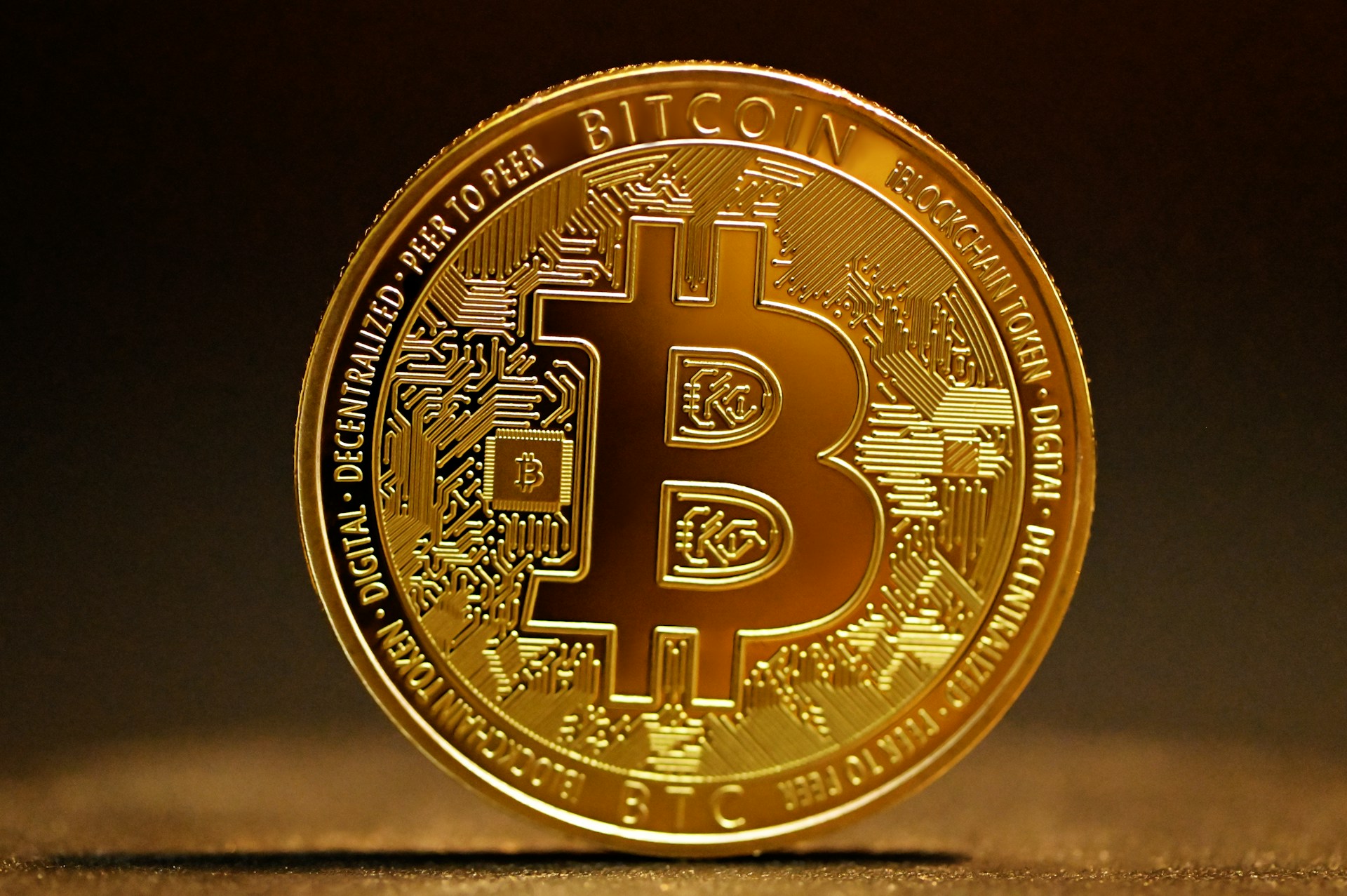
Why Did Bitcoin Fall With the Stock Market?
For years, supporters called Bitcoin digital gold. The idea was simple. When traditional stocks drop because the economy feels weak, gold often stays safe or goes up. People hoped digital tokens would act the same way during scary market moments. News reports from CNBC show that the coin fell right alongside stocks during the latest market sell-off.
Big financial companies now own billions of dollars in crypto tokens. When those large companies get nervous about the economy, they sell off their riskier assets first to save cash. They treat digital tokens like high-risk technology stocks rather than safe paper money or real gold bars.
This big sell-off proves that market mood drives crypto prices more than simple tech theories. When regular investors panic, they pull cash out of everything that feels unsafe. That push to sell hits digital coins hard because their prices change so fast every day.
How Do People Get and Store Bitcoin?
You can buy a fraction of a coin on a digital exchange using standard money from your bank account. You do not need to buy one whole coin, which costs tens of thousands of dollars. You can buy ten dollars worth if you want to start small.
Once you buy your digital money, you face a choice about where to keep it. You can leave it on the trading app, or move it to your own offline wallet. Here is how simple steps work for beginners:
- Pick a trusted exchange app and connect your bank card.
- Buy a tiny piece of a digital coin to test the process.
- Move the funds to a wallet app where you control the secret passcodes.
- Write down your recovery phrase on paper and hide it in a safe place.
Keeping your money on an app is easy, but it carries extra risks if the company runs into bad news. Moving your money to a personal wallet puts you in total control. If you lose your secret passcodes, no customer support team can help you get your cash back.
What Are the Big Risks You Should Know About?
Prices for digital coins move up and down very fast. You might buy twenty dollars of crypto today and find it is only worth twelve dollars tomorrow morning. That speed makes it a tough place for short-term savings or money you need for rent.
Scammers also love targeting people who are new to digital tokens. They make fake websites, send trick emails, or promise that your money will double in one week. Once a transfer happens on the public computer network, no one can reverse it or cancel the transaction.
Another issue is how energy use impacts the planet. Computers running the network consume huge amounts of electricity every day to keep the system safe. You can check out our main crypto guide for beginners to learn how modern tech projects try to use cleaner energy.
Is Bitcoin Real Money or Just an Investment?
Right now, Bitcoin acts more like an investment asset than everyday cash. A few shops accept it for coffee or computer parts, but most stores still want regular dollars or local paper money. The fast price changes make it hard for store owners to set fixed prices on standard items.
Many buyers view it as a long-term goal to protect their savings from inflation over many years. They accept the wild daily price swings because they believe the fixed supply of twenty-one million coins will make each token more valuable over time. Other buyers just want to make a quick profit by selling higher next week.
The cryptocurrency market is still very young compared to standard stock markets. Government groups are still writing rules for how apps can sell these tokens to the public. As new rules take effect, buying and holding digital assets will change for everyday users.
What Should Beginners Do Next?
If you want to try digital money, start by learning how the tech works before you spend any cash. Never invest money that you need for food, bills, or an emergency fund. Treat any money you put into crypto as something you could lose completely.
Read news from solid sources and ignore online promises of easy wealth. Practice basic safety steps like setting up strong passwords and using two-factor login codes on your exchange accounts. Taking tiny steps helps you learn without taking scary financial risks.
Watch how the market reacts when standard economic news comes out over the next few months. Seeing how digital tokens move during real economic events helps you make smart choices for your own wallet. Will you keep your cash in a bank, or test digital money with a small amount?
Comments
Post a Comment